Eternity's whip
T.S. Eliot & Vedanta

'Son of man,
You cannot say, or guess, for you know only
A heap of broken images, where the sun beats'
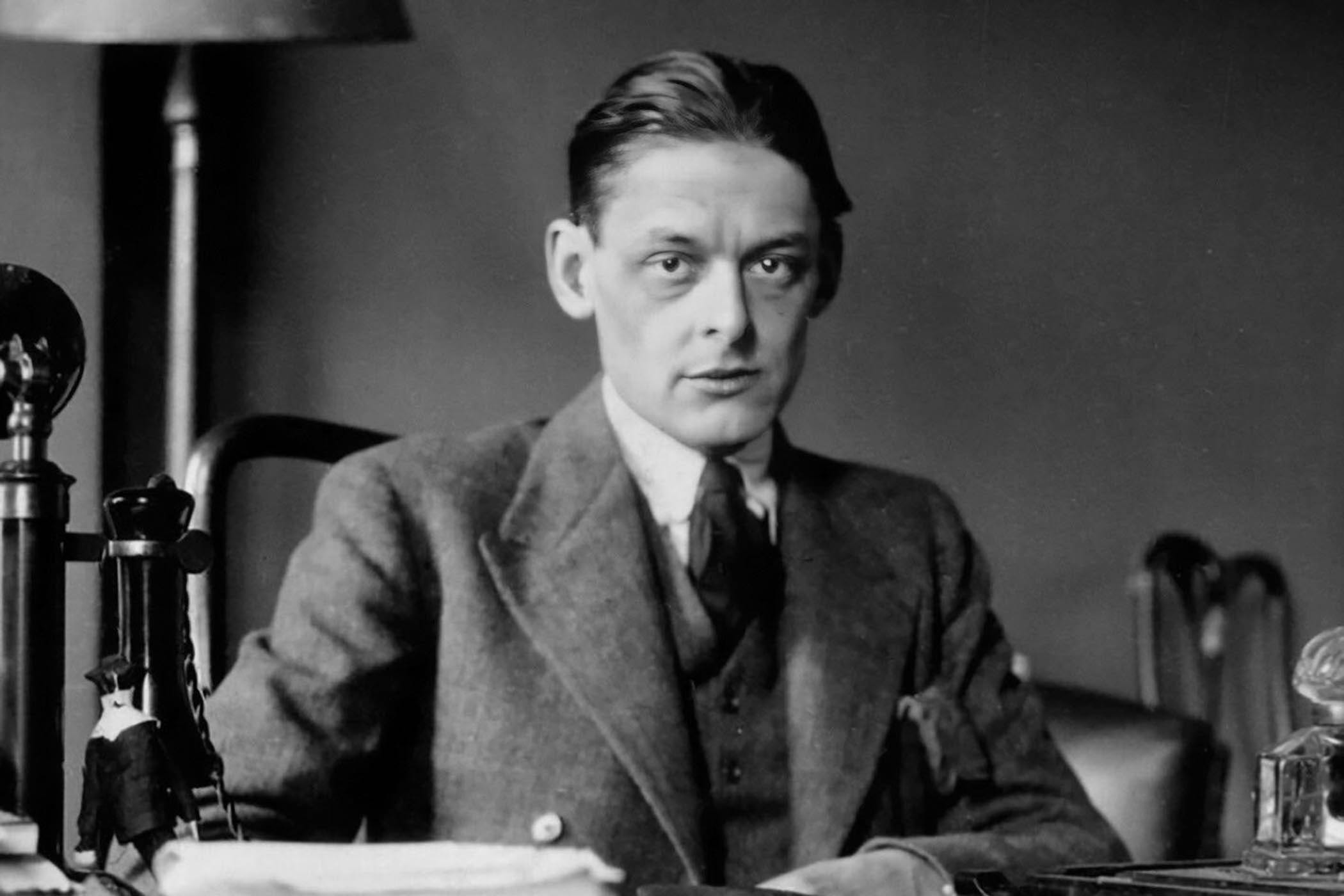
When it was published in 1922 T.S. Eliot’s poem The Waste Land confused readers and critics alike. It consists of a chorus of disembodied voices; characters that represent various aspects of a decaying civilisation. From an aristocrat, to a barmaid… to some kind of deity prophesying the downfall of everything in creation. Crucially, however, at the end of the poem there is no full stop. Because in Eliot’s universe the apocalypse is redeemable. Here, it is only through annihilation that we encounter the possibility of redemption.
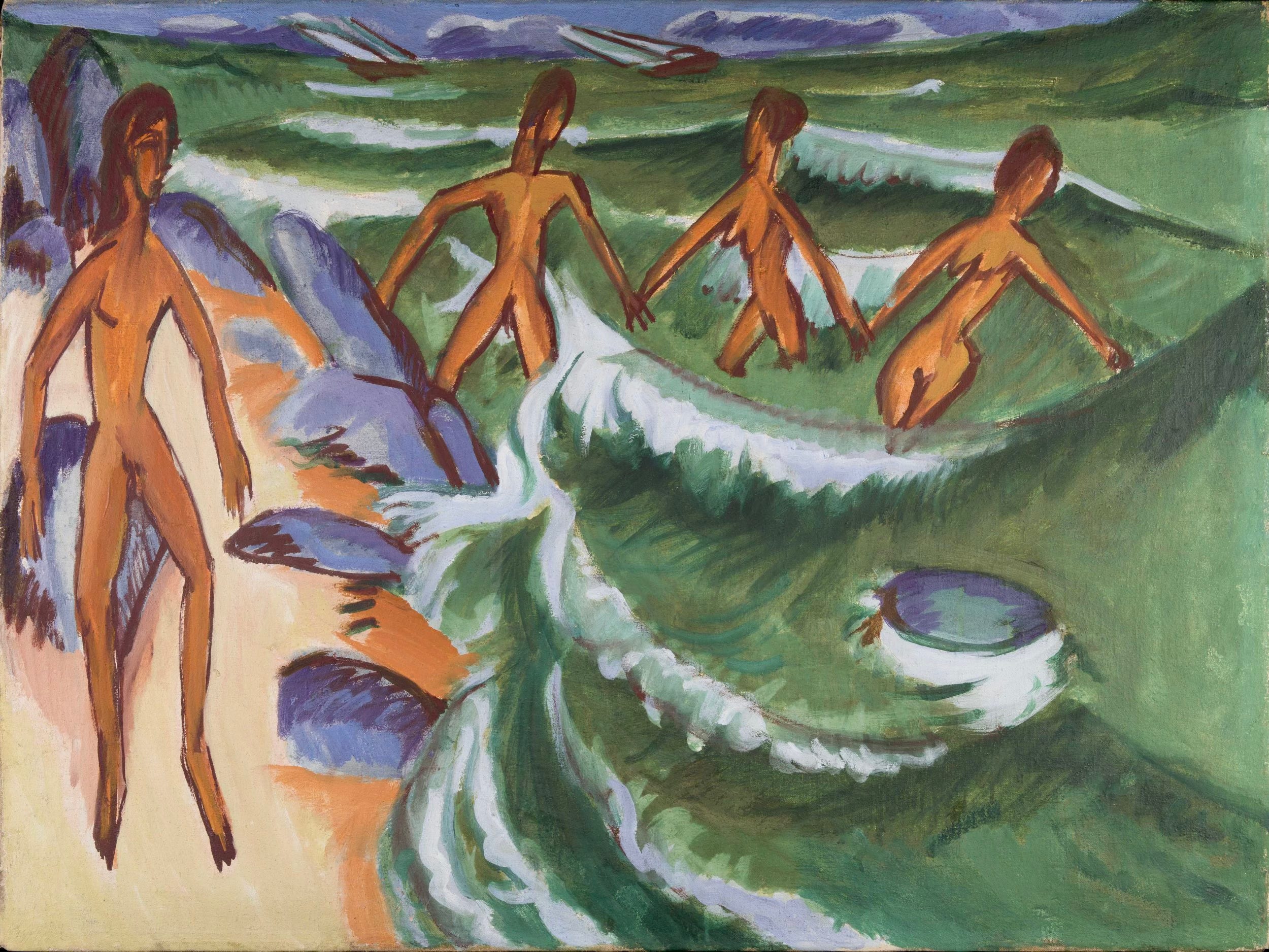
The imagery in the poem’s opening stanza is all snow. The final section is of the river Ganges joining the sea, returning once more to its source, whereupon the process can begin again. The Ganges is considered sacred because as a river, and a great river at that, it is impermanent. From the mountain to the valley to the ocean it is always moving, never fixed.
Similarly, literary modernism reflects a deeper understanding of time. Not A to B, but an ongoing cycle wherein the last line leads directly into the first.
The whip of eternity.
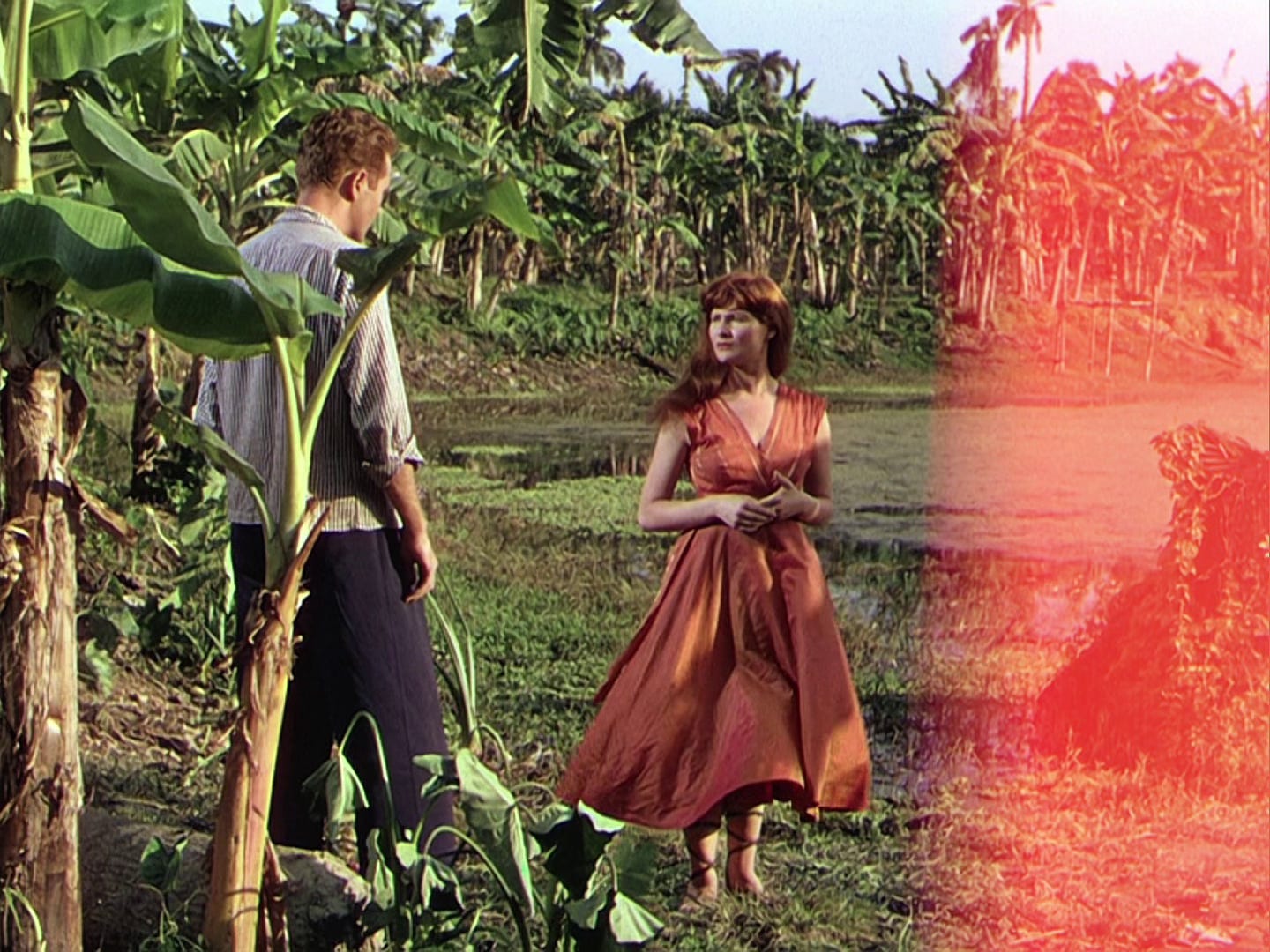
The Wasteland is also a thinly-veiled love poem. Many years after his death a series of letters were unearthed wherein Eliot declared his devotion to Emily Hale. The two had met and fallen in love before Eliot’s marriage to another woman… a decision that tormented him for the rest of his life. Here Hale is the hyacinth girl; a character whose invisible presence blossoms into something that transcends the human altogether. Because like the eternal river, love exists beyond time:
'When we came back, late, from the Hyacinth garden,
Your arms full, and your hair wet, I could not
Speak, and my eyes failed, I was neither
Living nor dead, and I knew nothing,
Looking into the heart of light, the silence.'
In later works Eliot continued to deepen his appreciation of Hindu scripture. As a student at Harvard College he had studied Sanskrit. In the Four Quartets, written nearly fifty years later there are lines that directly reference the Bhagavad Gita, a central text in the Vedantic tradition of non-duality.
'At the still point of the turning world. Neither flesh nor fleshless;
Neither from nor towards; at the still point, there the dance is,
But neither arrest nor movement … []
Except for the point, the still point,
There would be no dance, and there is only the dance.'
But it is the last lines of The Waste Land that really stick. As fellow poet Daljit Nagra explains, the word shantih is an invocation to be at peace with yourself and to be at peace with others. And so the entire work is suddenly reframed. Through the simple repetition of this word the poem ceases to be a poem at all… and becomes a prayer…
'Datta. Dayadhvam. Damyata.
                  Shantih     shantih     shantih'